We read the story of the spies whom Joshua sent to Jericho, and Rachav who hid them under the flax stalks that she was drying on her roof (Joshua 2:6). The book refers here to these stalks as pishtei etz, literally ‘flax trees’ or ‘flax wood.’ The Talmud (Shabbat 27b) takes this verse as evidence that the flax plant is a type of tree. This conclusion appears in Mishnah Shabbat 2:3, as part of a discussion of what materials may be used as wicks and fuel for the Shabbat lights. Ironically, this chapter of the Mishnah is read every week as part of Kabbalat Shabbat.
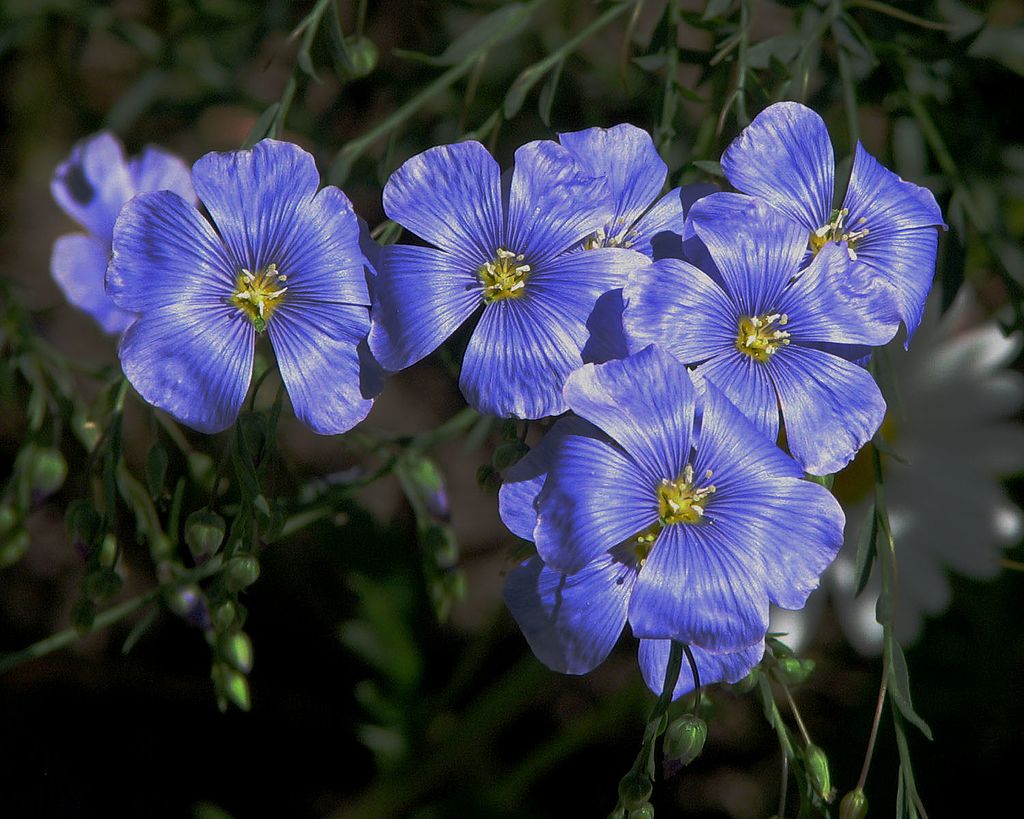

Flax plant with the latin name Linum usitatissimum in the family Linaceae and this is the source of linen fibers and is found growing mostly in Europe. Much of flax seeds were carried to the middle eastern world from Europe. It has a slender wooden stalk no more than four to five feet tall and is usually grown as an annual plant that lives only for a few short months. It does not really look like a tree. However, in warmer climates with warm winters, it can regenerate after cutting to produce a second crop, although this is rarely the practice today only in parts of Northern Ireland where flax is abundant. The outer part of the stalk is somewhat hard and woody much like bamboo, which would support its halachic classification as a tree.
The book of Joshua and Torah tells us the detail that Rachav hid the spies under the drying flax. This is important to know because there is a very important lesson that is often overlooked in this story.
As many of you know I do spin raw flax and hemp to weave garments as well as create cords for the corners of garments of flax and linen. The first step in flax processing is called “retting“. It consists of laying the stalks on the ground in the field where they were harvested to allow soil bacteria to break down the tissues that surround the fibers. The stalks are then dried and the brittle rotted material is removed from the linen fibers. This is done by crushing the stalks between grooved metal rollers and knocking any remaining debris off of the fibers.
The flexible fibers pass through the rollers undamaged and are then combed to ensure that they are straight and parallel. After this, it now can be spun into yarn and thread for weaving linen fabric and garments. Take note that when the raw flax is spun it is a wet process. This process consists of wetting fingers and guide the fibers easily into cords through the spinning wheel. In the early recorded history of flax, the stalks were retted by soaking in water. Once the retted stalks were dry, wooden presses and other hand tools were then used to crush them and remove the rotten tissues before combing and spinning the fibers. Interesting to note that this process of soaking is still done in Northern Ireland today so not much has changed.
It is interesting to note that flax has the ability to respond to stressful environments by reorganizing its DNA, which can change the plants’ characteristics. This increases the chance that its offspring will be better equipped to survive the stressful conditions that they are experiencing. Although this survival strategy was not discovered until modern times, it seems very appropriate that flax not only symbolizes but physically embodies the capacity for change as sudden and dramatic change but survives from decay to being redeemed and created into something new such as a beautiful garment.
In the story of Rachav, we see that she was in a position to make something new of herself. Not stay where she was in the rotting and decaying life in a society that was doomed to collapse. She chose to make a change. Rachav’s plea to the spies to spare her and her family shows that she recognized the imminent crumbling of Canaanite society as well as her own life. In Genesis 15:16 we read that G-d had promised Abraham that his descendants would inherit the land of Canaan, “but the sin of the Amorites is not yet full.” It was time and it was finally full. The drying flax is a metaphor for this critical stage in the collapse.
We later see that Rachav puts out a sign of red scarlet cord and some may translate it as a scarf. The dye was very unique because there is a midrash that says that it was from a tree a red sap was used to dye the garments red which was also used in the Holy Temple. It also may have been used as a varnish for instruments like Harps. Lyres and Drum heads that were used in Temple service. The two spies readily pledged themselves to remember Rachav and her household, and as a token and sign, they asked her to tie a scarlet cord in her window, so that it could be clearly seen by the Israelites when they reached the city wall.
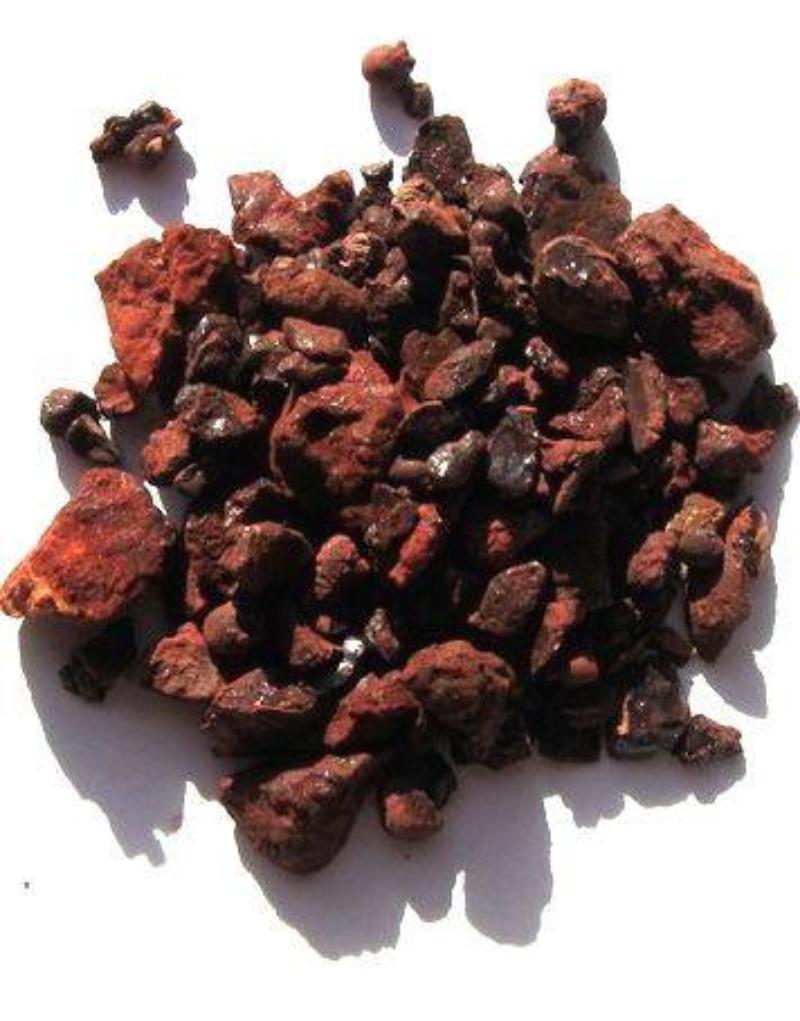
Scarlet Resin-Croton lechleri 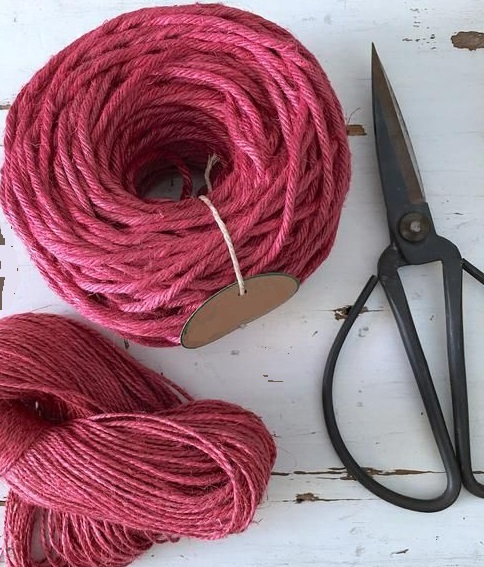
scarlet red linen cord
Obviously, this cord was made of flax. We can safely assume that she was obviously a skilled linen garment maker. There are some commentaries which says her descendants would later make the linen garments that would be worn by priests in the built Holy Temple build in Jerusalem. She was rewarded for her kindness and ultimately married Joshua, taking her place in the ranks of righteous converts. She was the ancestress of great priests and prophets, among them also the prophet Jeremiah and the prophetess Huldah. She became a new person someone who was redeemed from her decaying life. This is a lesson we can learn from Flax Pishtei etz in Torah.