Shatnez (or shaatnez, [ʃaʕatˈnez]; Hebrew: שַׁעַטְנֵז šaʿaṭnēz) is cloth containing both wool and linen thate are WOVEN /SEWEN TOGETHER, which Jewish law, derived from the Torah, prohibits wearing. The biblical verses in Leviticus 19:19 and Deuteronomy 22:11 forbid wearing garments made of both wool and linen woven or sewn together, mixing different species of animals, and planting different kinds of seeds together, a concept known as kilayim. When washed, such a garment can be ruined—wool shrinks while the linen tears, eventually leaving holes. This “trauma garment” serves as a metaphor, with the story of Cain and Abel reflecting the potential consequences.
Shatnez is a biblical prohibition found in the Torah, specifically in Deuteronomy 22:11. It forbids the wearing of garments made from a mixture woven together of wool and linen. This rule is part of the broader set of laws concerning ritual purity and proper conduct in Jewish tradition.
The Story of Cain and Abel
Overview of the story of Cain and Abel are the first two sons of Adam and Eve, as described in the Book of Genesis. Their story is significant in both religious and cultural contexts.
Cain was a farmer, and Abel was a shepherd. Both brought offerings to G‑d, but while Abel’s gift of the best from his flock was accepted, Cain’s offering of crops was not. Fueled by jealousy and anger, Cain killed Abel, marking the first life being extinguished in biblical history. Shatnez is often compared to jealousy, a mix of anger and envy that leads to damage.
In garments made of both wool and linen, when washed the shrinkage of the wool causes the linen to tear, eventually creating holes that render the garment useless, much like how emotional conflict can cause lasting harm.
The term שַׁעַטְנֵז (shaʿatnez) refers to a type of mixed-fabric cloth, mainly wool and linen woven together, that the Torah/ Bible prohibits a person from wearing. While it may seem like a technical detail, it’s part of a broader set of laws meant to set the nation of people (Israel) apart from other nations, weaving reminders of covenant holiness and a code of conduct into everyday life (Leviticus 11:44).
SEE FULL VIDEO HERE
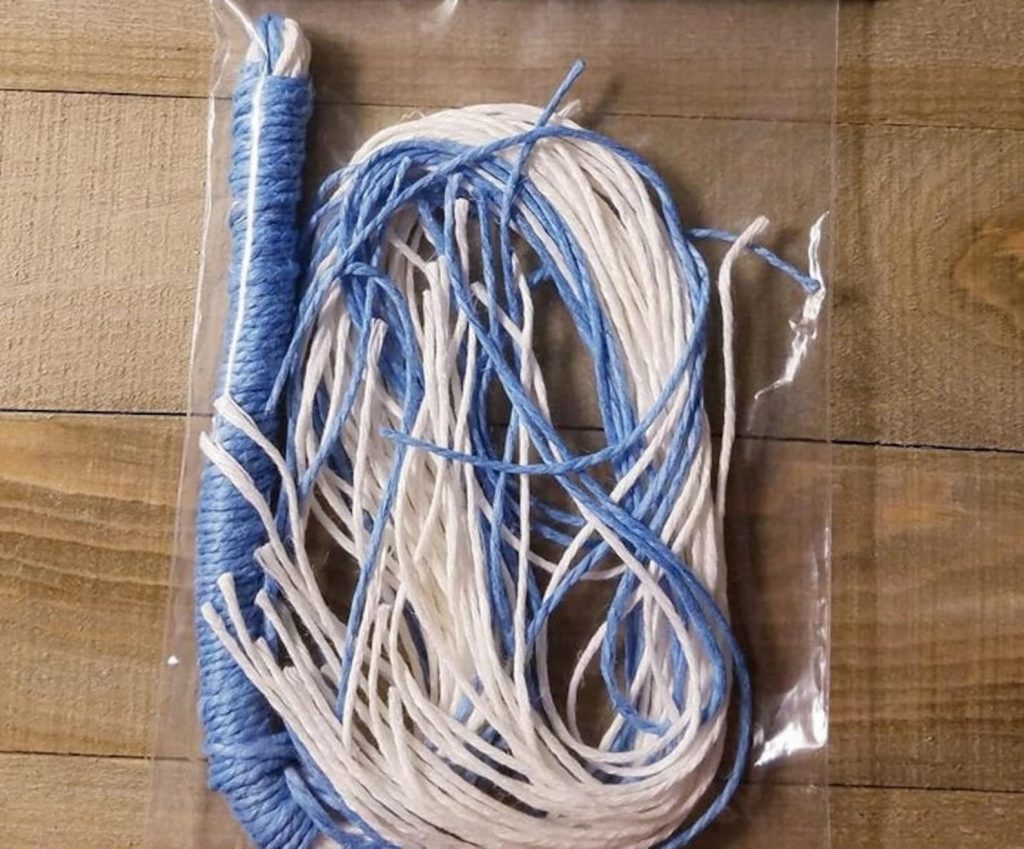
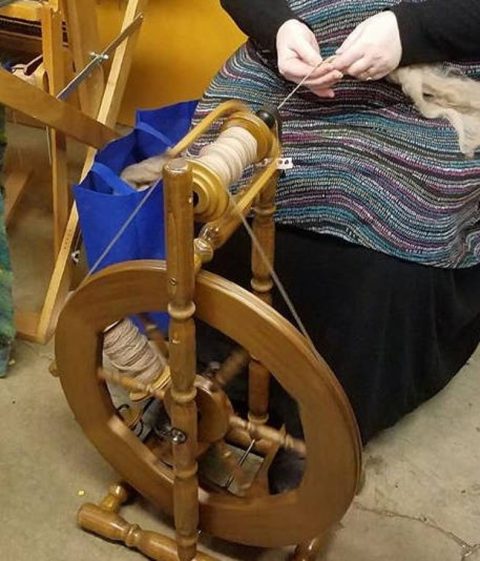
https://aytzchayim.com/product-catego…
https://rivkasari.com/handspun-tzitzi…
https://rivkasari.com/tallits-cords.html
https://www.etsy.com/shop/SefinotMiRi…