

Description
Mastic Chios Essential Oil
(Pistacia Lentiscus)
5ml
OW
Aroma: Resinous, green, honeyed citrus, and herbaceous
Made from Resin, Branches Pieces, and Dried Leaves from Greek Island of Chios. Material was Artisan Distilled in Israel.
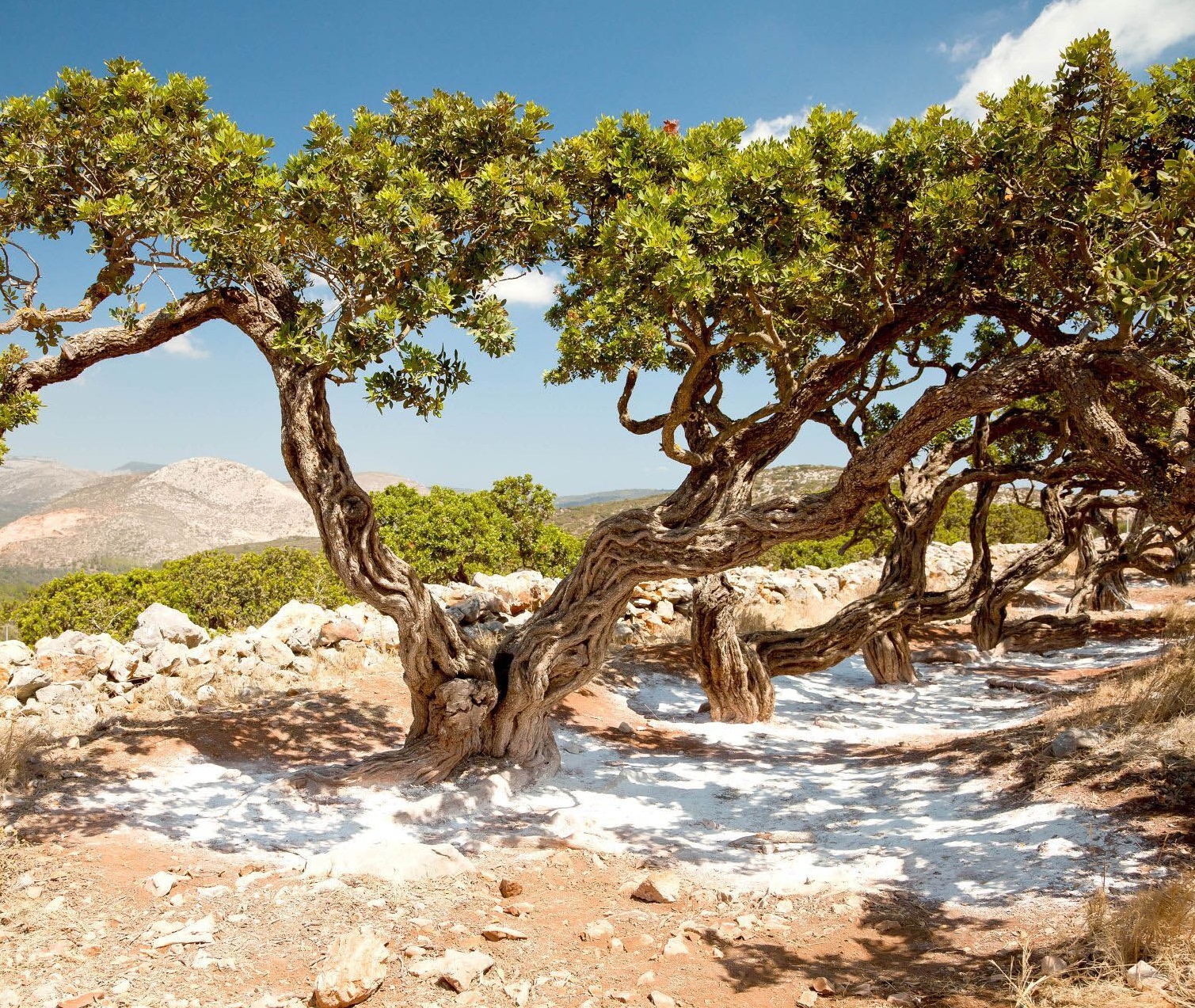
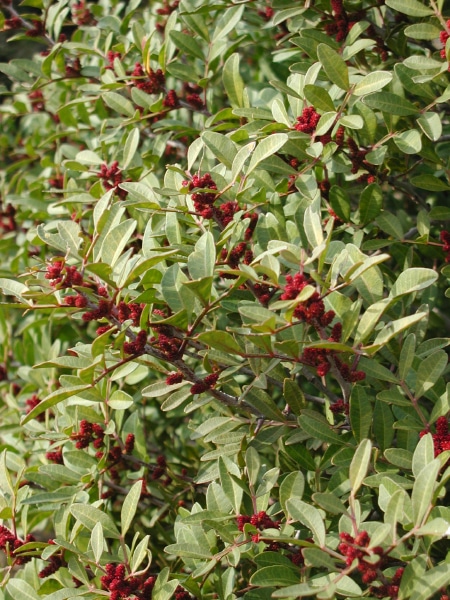
Mastic essential oil, a rare oil of clear to bright yellow thin and free-flowing essential oil obtained from hydro-distillation of the branches, resins and leaves from the mastic tree. The essential oil produced from the Pistacia Lentiscus tree is also known as Lentisk or Chios Mastic essential oil. This essential oil is rare and sells very quickly.
This essential oil also has antibacterial, anti-inflammatory, antiseptic, astringent, antioxidant and antifungal properties. Helps with oral and dental issues. Due to the high level of monoterpenes, it contains, this essential oil is an excellent anti-inflammatory and decongestant. Mastic essential oil effectively protects and decongests the respiratory tract.
Blends well with Frankincense, Myrrh, Clove, Lavender, etrog, Jaffa Orange, Grapefruit, Bergamot, Lemon, Grand Fir, Rose, Rosewood, Sandalwood, HoWood, Palo Santo, Helichrysum Immortelle and Inula essential oils.
Found in Biblical Text:
The mastic tree is mentioned in the writings of the Book of Daniel as a elder of the people where he rescue a righteous woman named Susanna from those who unjustly accuses her of wrong doing.
There is much dispute why the 13th chapter is not included in the Tanak and some version of the Bible. But we tought we mention this story since mastic trees do grow in the Holy Land. The story has a virtue in why one must judge others righteously what happens when false accusation are made ie comitting “loshan hora” against someone who is righteous.
This story is known as “the Devout Woman and the Two Wicked Elders”. Although omitted from current Jewish scriptural texts, the story of Susanna is acknowledged to have been part of Jewish tradition in the Second Temple period. Read more here
The story starts in Danie 13:47-49 he says while “taking his stand among them he said, “Are you such fools, O Israelites, as to condemn a daughter of Israel without examination and without learning the facts? Return to court, for these men have given false evidence against her.”
Then he asks and says to one these accusers in verse 53-54 where Daniel says “pronouncing unjust judgments, condemning the innocent and acquitting the guilty, though the Lord said, ‘You shall not put an innocent and righteous person to death.’ Now then, if you really saw this woman, tell me this: Under what tree did you see them being intimate with each other?” He answered, Under a mastic tree.“ Daniel then says he had “lied”. Mastic can mean “gnashing of teeth” the two false accusers are punished, and virtue triumphs after all.
You shall do to him just as he meant to do to the other ועשיתם לו כאשר זמם לעשות לאחיו. According to the Torah, if witnesses lie, they will suffer the punishment that the accused would have suffered had their testimony been upheld (Deut 19:18-19). An interesting note that mastic resin is chewed to perserve the teeth.
The word mastic in greek is “schinos” meaning teeth. Teeth in hebrew is noted as the word “shen” which is very similar in words and the the word also means to guard and because the two elder chose not perserve their teeth to protect or hold their tongue from telling lies. In Jewish tradition it is said we have teeth to guard our tongues which can create either life or death by words spoken according to Proverbs..