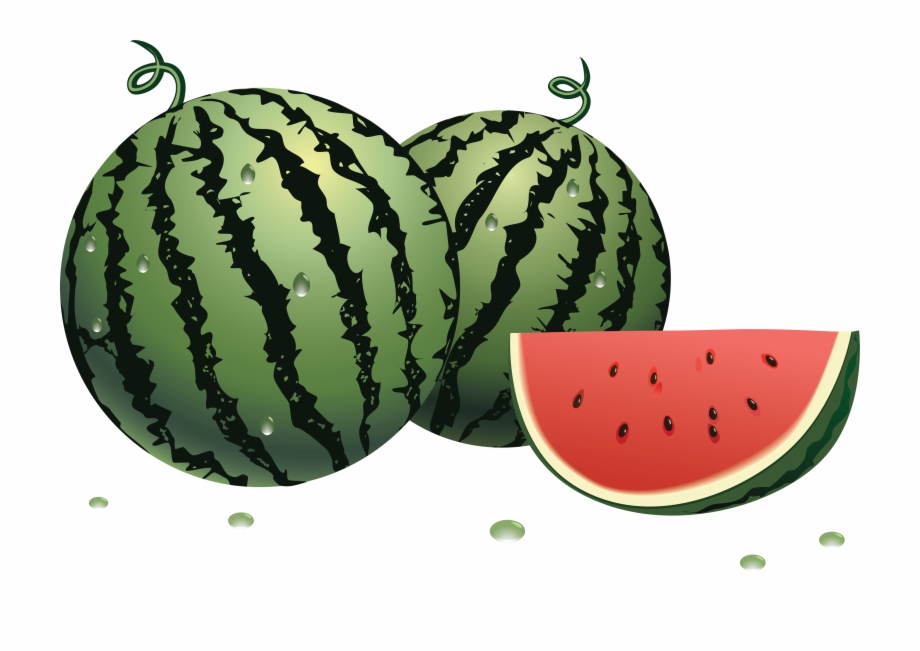
During a conversation with fellow artisans, we began discussing the negative perception that has surrounded the watermelon due to certain individuals. Our shared appreciation for what the watermelon truly symbolizes led us to agree that this misrepresentation is unjust!
I took it upon myself to research the subject further, aiming to connect it to a broader context especially to the Bible. We (Artisan) decided to support watermelon growers in Israel and the USA, visit local farmers’ markets, and seek out watermelon products that are free from any political associations, reclaiming the fruit for its rightful place!
The watermelon’s high-water content represents spiritual refreshment and renewal, aligning with themes found in the Bible regarding revitalization. Its seeds symbolize potential and the journey of spiritual growth, reflecting the biblical concept of sowing and reaping.
In Israeli culture, watermelon is enjoyed in salads, juices, and various desserts and cocktails. The fruit has been a part of Israeli tradition since Biblical times, with its mention in Numbers 11:5 highlighting the Israelites’ yearning for the foods they enjoyed in Egypt, including melons. This verse reflects their challenges during their wilderness journey and their desire to cultivate the seeds they carried to the promised land.
The reference to “the melons” raises the question of whether it pertains to sweet melons or watermelons, both of which thrived in Egypt and it turns out much of the Middle East and Asia and it provided much-needed relief in the desert heat. The plural form in the text suggests both could be included. Watermelons, known as Citrullus vulgaris, can weigh up to thirty pounds, while sweet melons, Cucumis melo, usually weigh between six to seven pounds, making them suitable for transport by caravan.
The watermelon also represents comfort and resilience. Its tough exterior signifies endurance, while its sweet, soft interior reflects the warmth and hospitality of G-d’s people. Enjoying watermelon serves as a reminder to be grateful for blessings and to share joy with others, reinforcing its unifying power.
It is particularly frustrating that the watermelon has been politicized, as it has always symbolized abundance and generosity. Watermelon embodies blessings and spiritual nourishment, deserving proper appreciation and joy in its representation.
The fruit frequently appears in celebratory contexts; echoing themes of joy and community found in biblical feasts. A refreshing watermelon salad with feta cheese is popular during holidays like Shavuot and Sukkot. Verses such as Nehemiah 8:10 emphasize that joy in faith can be a source of strength.
Sharing watermelon can enhance community bonds and highlight gratitude for blessings and bring diverse individuals together. Watermelon serves to bring people together rather than create divisions. In a cultural context, it has historically represented abundance and prosperity, connecting it to various biblical themes. When I think of the watermelon I think of a table of people together sharing in the sweet treat and laughing with joy and with thankful hearts as well. Not this political fake agenda garbage.
Archaeological evidence from the Nile Valley and other parts of the Middle East reveals that watermelon cultivation dates back approximately 4,000 years, indicating its value. In ancient Egypt, murals often depicted the fruit as essential for sustenance in the afterlife. This historical significance reinforces its association with fertility and divine blessings. Some ancient Hebrew texts even mention the use of watermelon seed oil for skincare and health and even helps with fertility.
Let us collectively advocate for the watermelon and restore its positive identity.


You searched for watermelon – Aytz Chayim Aromatherapy