Description
Judean Milk Thistle Seed Oil
Onopordum cynarocephalum
Cynara Syriaca
Israel
Cold Pressed from Seeds
30ml (For topical use only)
NEW LABEL
Also known as Cotton Milk Thisle, Kotz Oil, Joseph’s Oil, Prickly Rose, and JudeanThisle
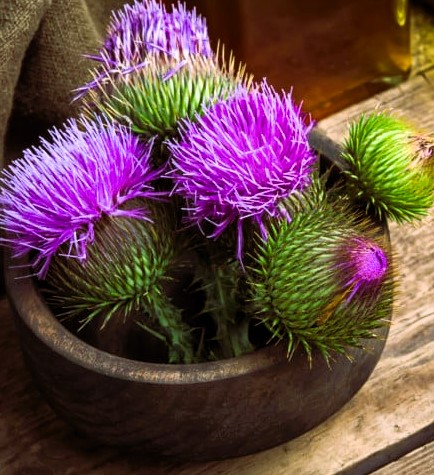
About Milk Thisle Flower
In Judges 8:7 and 8:16 the prickly Thisle flower is referred to as “barkanim”. The word for “thistle” in Hebrew is “kotz” and it is used both to describe the prickly part of a plant (a prickle) and the prickly plant as a whole.
The prickles are to be found on different parts of the plant: some have sharp spikes at the edges of the leaves; some have spikes on the surface of the cup; some plants have buds which do not even develop leaves and flowers but harden and turn into spikes; and some have sharp protrusions along the stem or on the leaves.
The reason for the profusion of the common prickly plants in Israel is to be found in the climate, particularly in the the hot dry summers of Israel’s lanscape which is mostly desert. Plants which in winter and spring develop large, tender leaves will use up and lose large quantities of water, which cannot continuedo so during the summer hot sunny season. The Milk Thisle is a close relative of the edible Artichoke and is a perennial growing mainly in the heavy soil of the northern valleys of Israel near Lebanon.
This has led to the natural development of a variety of plants which produces two different types of leaves: in the winter they grow large, smooth leaves which have a high level of photosynthesis and very high water loss; and then with the approach of summer months, these leaves wither and the plant produces stems bearing small, prickly leaves and thorny like pricks which develop on different parts of the plant.
Bible references to the thistle are usually deprecatory, such as in the case of the original word was spoken upon Adam on his expulsion from Eden “cursed is the ground for thy sake: in toil shalt thou eat of it all the days of thy life. Thorns also and thistles shall it bring forth to thee and thou shalt eat of the herb of the field” (Genesis 3 17-18). The allusions made to thistles make us overlook the attractive flowers that some of the thisle species produce and the health benefits they can give. This thistle is supposedly mentioned several times in the Bible: “the thistle which was in Lebanon sent to the cedar that was in Lebanon” (2 Kings 14, 9) and “as the lily among thorns” (Song of Songs 2). Sometimes is referred to as Prickly Rose.
Benefits:
Treats Psoriasis bcause the silymarin present in milk thistle helps in the treatment of psoriasis. It helps in fighting redness, itching, and thick skin patches. Clears scalf and heals skin where psorisi rears its ugly head. Treats Asthma
by reducing inflammation in the airways, silymarin in milk thistle has shown to prevent the symptoms of allergic asthma. Skin Care the oil helps to alleviate inflammation due to its rich antioxidant content. It also prevents skin aging and promotes a healthy glow.
Caution : Avoid if you are allergic to ragweed, you should avoid using milk thistle, as they are closely related. Finally, women with estrogen deficiencies or endometriosis should avoid this extract, as it can cause estrogen levels to fluctuate. Caution is also advised for breastfeeding or pregnant women.