Description
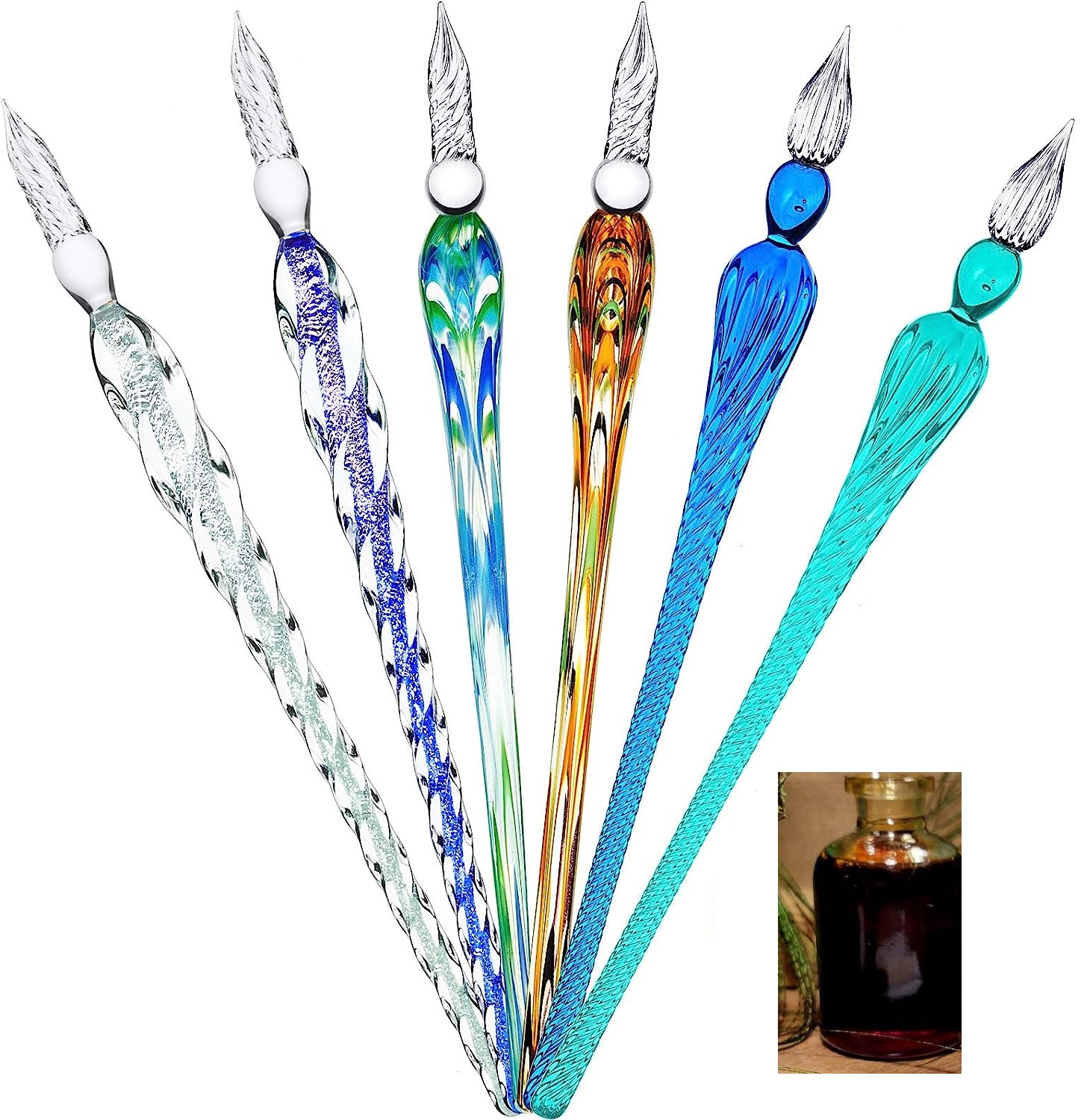
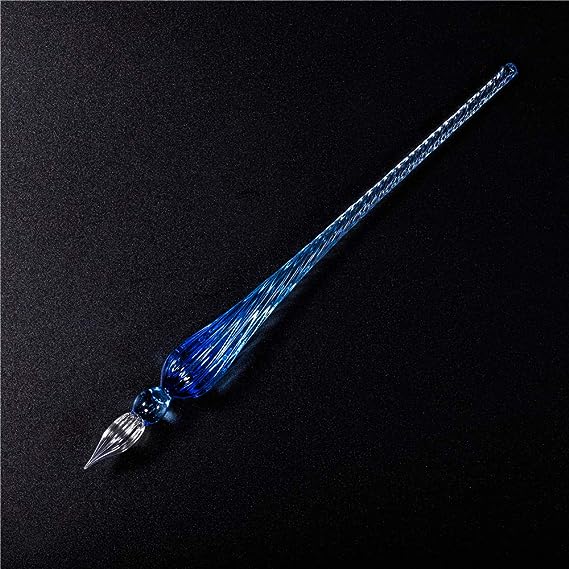
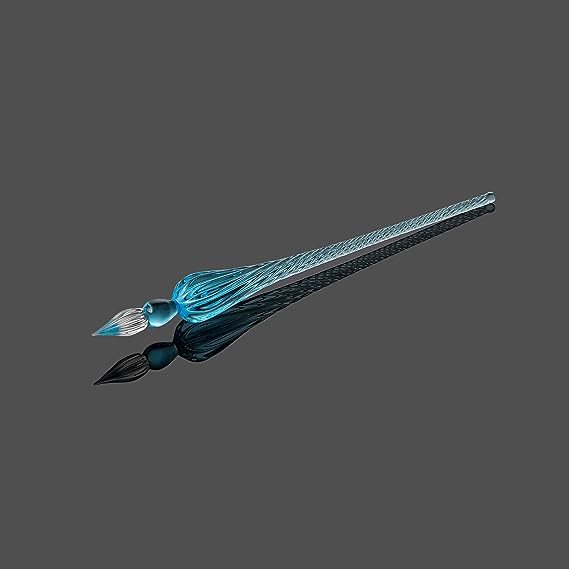
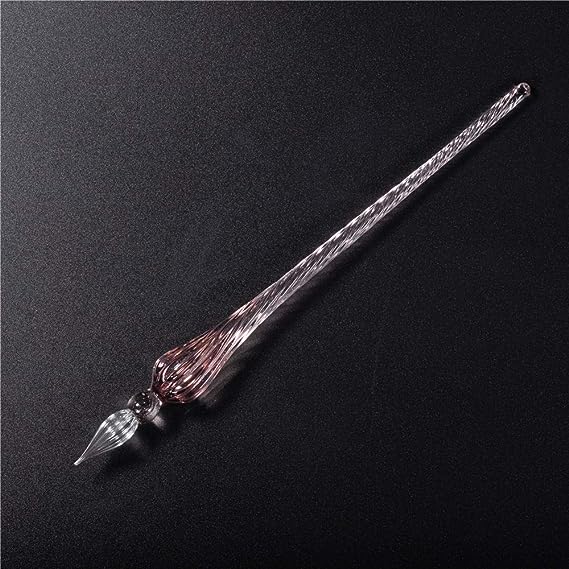
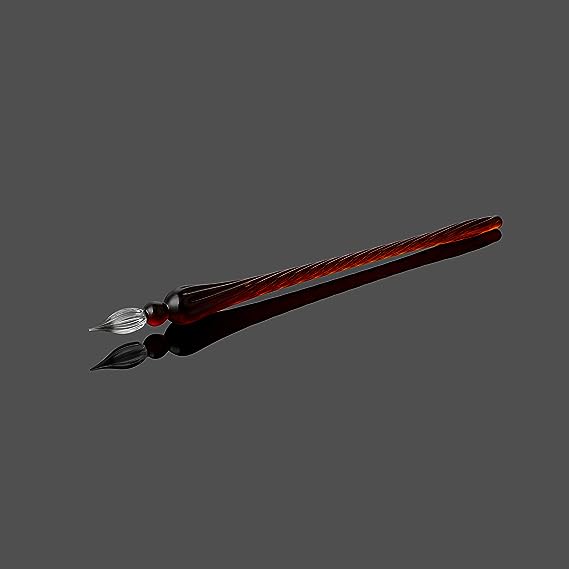
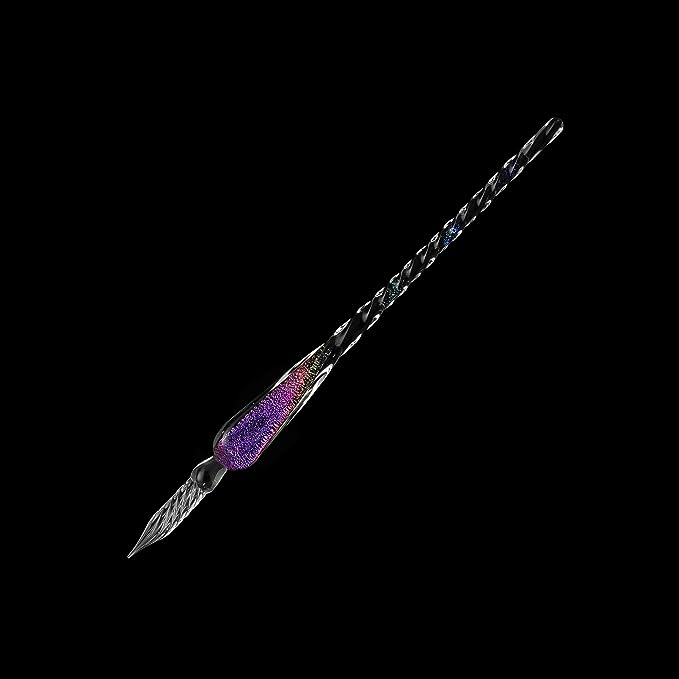
Jerusalem Morano Glass Calligraphy Pen
Hand-blown
From Jerusalem, ISRAEL, Holy Land
*Comes with a 5ml Bottle of our Ancient Red Ink (not pictured)
This Listing is for One Pen. Choose Color in the Drop-down Menus.
Each pen will be unique but not exact, so we will send you a glass pen that will be within or close to the color you chose. Each one is handcrafted, no two are alike and not without its natural flaws.
GLASS PEN, Murano Glass Pen, Italian Glass Pen, Dip Pen, Writing Set, Glass Fountain Pen, Gift for Writer, Writers Gift, Calligraphy Pen.
Because the pen is glass and therefore breakable, we do not recommend this for young children.
See the Video on The Story of Ancient Glass in Israel Here
Note: colors may differ depending on your monitor
ABOUT OUR INK
דיו שרף
MADE IN ISRAEL Very Rare
Made from Holy Land Bible Based Ingredients of Botanicals and Oils
Artisan Crafted Organic
This is made with kedusha, lishma, and kevanna. This is an Artisan’s hand-formulated Ancient Ink according to ancient rabbinical and Bible/Torah recipes.
Made from Flower, Bark, Resins, and Essential Oils. A Proprietary Blend From Israel. Made with Frankincense Sacra Resin extract, Katef Myrrh resin extract, D.cinnabari Scarlet Tree resin, Balsam of Gilead Maceration Extract, Saffron flower stigma extract, Amber essential oil, Oud Wood and Resin extract, Sea Buckthorn oil, Gum Arabic Resin Oil, Negev Rose absolute oil,
Saraf in Hebrew is another Hebrew name for the kumus resin. The Gemara (Shabbat 23a): “All gums are suitable for ink, and the sap of the balsam tree is the best.” Rashi explains: “Saraf gum, saraf katef, proniel [from the Old French prunelier, the wild plum. The list of the trees, of which one can make sap for ink, dye, and medicine.” (see Steinsaltz Tractate Shabbat page 94)
According to Rabbenu Tam (Tosafot Shabbat 23a): “All saps are suitable for ink” Rashi explained: saraf means angel of the Incense, but also means gum [kumus] also, and this did not seem likely to Rabbenu Tam, for ink is not always a gum or a flowing sap.
There are many items in our ink, but each is carefully chosen so as not to break halacha, so the saraf is moisture from trees, ie resin, to make our ink.” According to Rabbenu Tam, the Gemara’s saraf is the liquid essence obtained from cooking or cutting the wood that separates the resin from the tree.
Commonly Used Resins for Bible Ink
| Resin Type | Description | Benefits |
|---|---|---|
| Gum Arabic | A natural gum made from the sap of acacia trees. | Adds viscosity and helps the ink flow smoothly. |
| Mastic | A resin obtained from the mastic tree, used in ancient inks. | Provides a glossy finish and enhances adhesion. |
| Frankincense | A fragrant resin from the Boswellia tree, historically used in inks. | Adds a unique scent and can improve ink quality. |
Commonly Used Saps for Bible Ink
| Sap Type | Description | Benefits |
|---|---|---|
| Pine Sap | Collected from pine trees, often used in traditional ink recipes. | Provides a natural binding agent and can add color. |
| Birch Sap | Sap from birch trees, sometimes used in historical ink-making. | It can enhance the ink’s fluidity and color depth. |
Botanicals used for enhancing Color in Bible inks are Balsam Tree Sap and Scarlet Tree Resin.
Best Resins and Saps for Ancient Ink
| Resin Type | Characteristics | Uses in Ink Production |
|---|---|---|
| Pine Resin | Sticky, amber-colored, rich in terpenes | Used for its adhesive properties and as a binder in inks. |
| Frankincense | Aromatic, used in ancient rituals | Adds fragrance and depth to ink formulations. |
| Myrrh | Bitter, aromatic resin | Used for its medicinal properties and as a stabilizer in inks. |
| Rosin | Solid, brittle resin derived from pine | Provides stickiness and helps bind ink components. |
According to halacha, only Tefillin, Mezuzah, and Torah Scroll are written with black ink only, and any other, such as a Ketubah, can be written and signed in any colour.
This is an all-natural, Bible-based ingredient permanent dye inks that is perfect for couples signing their Ketubah or using for the art of their ketubah. Couples can incorporate their own oil blend into the dye ink by adding a drop of their favourite essential oil or blend.
Contact us to custom blend. Because this is a dye, do not drop it on clothing. A tiny amount goes a very long way. Suggest practicing with the pen and ink before signing an important document like a ketubah
DIY Bible/Torah art projects, and written crafts on any paper or porous parchment or klaf. I have personally used it on a custom-made Art Tambourine in a variety of Aromas for Kalla (bride) and her bridesmaids.
To clean the ink from the pen properly, we suggest soaking the tip in isopropyl alcohol to remove resin buildup. Afterwards, clean it with warm soapy water and carefully dry the tip to avoid breaking it.