
Description
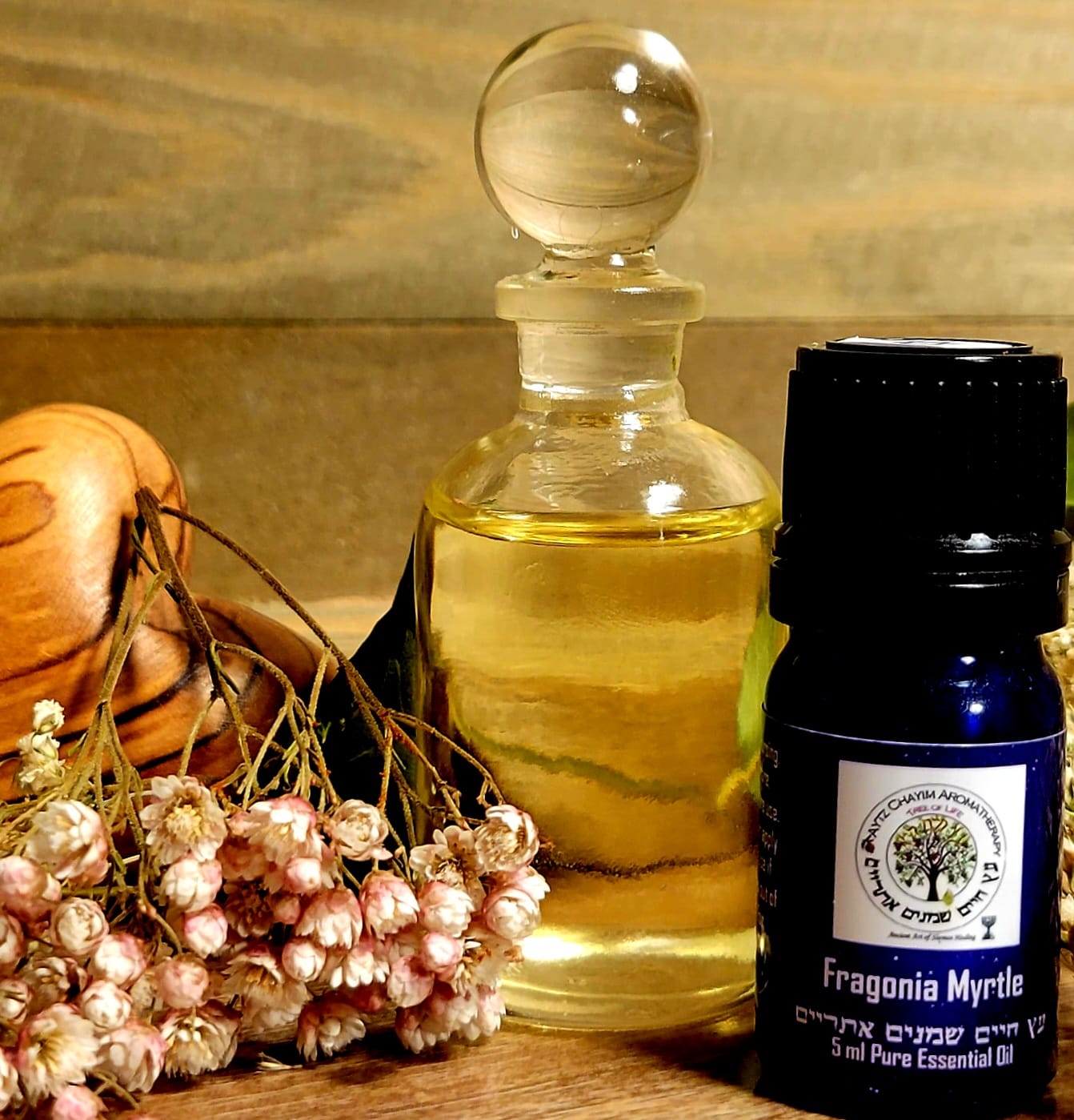
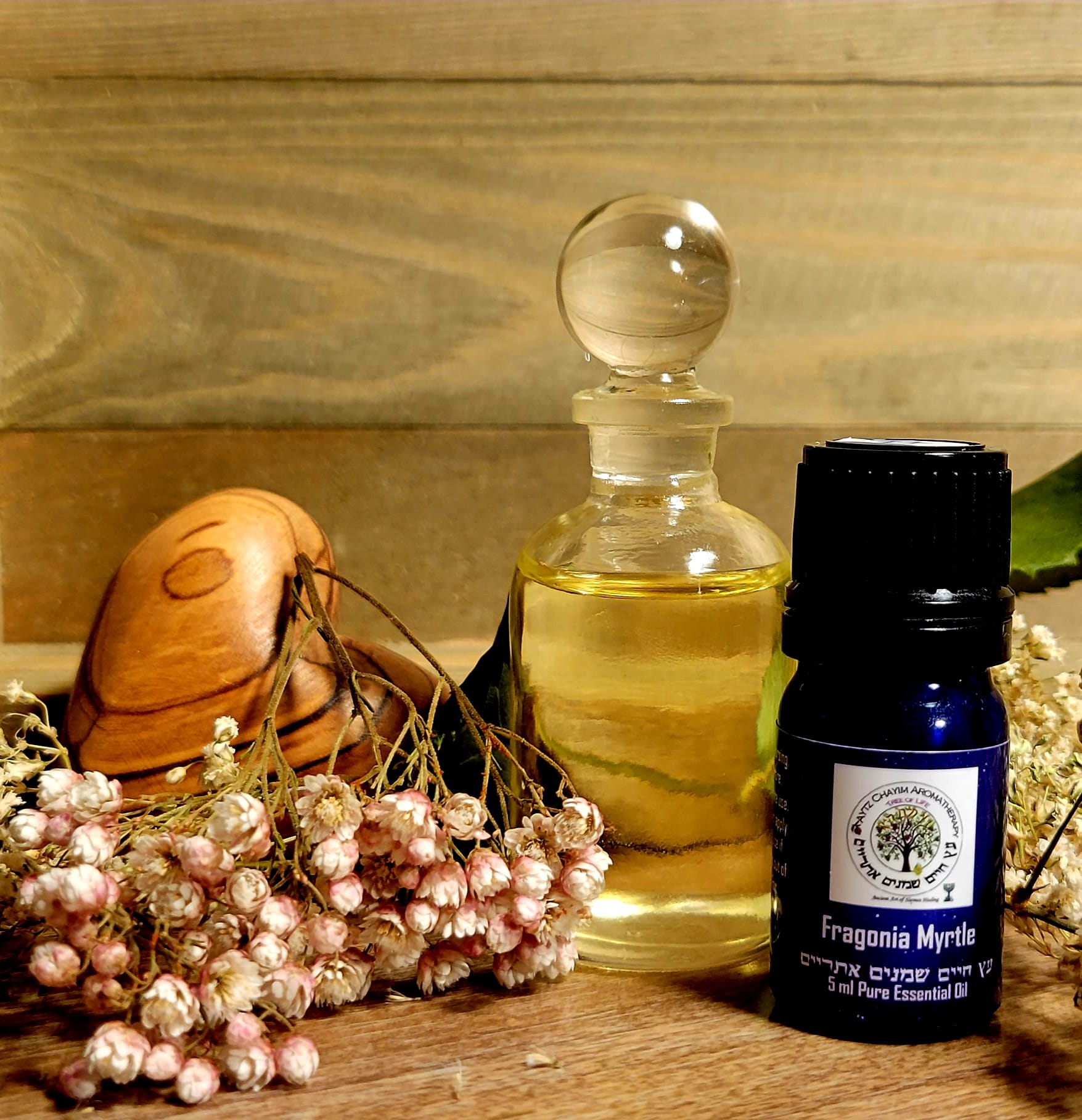
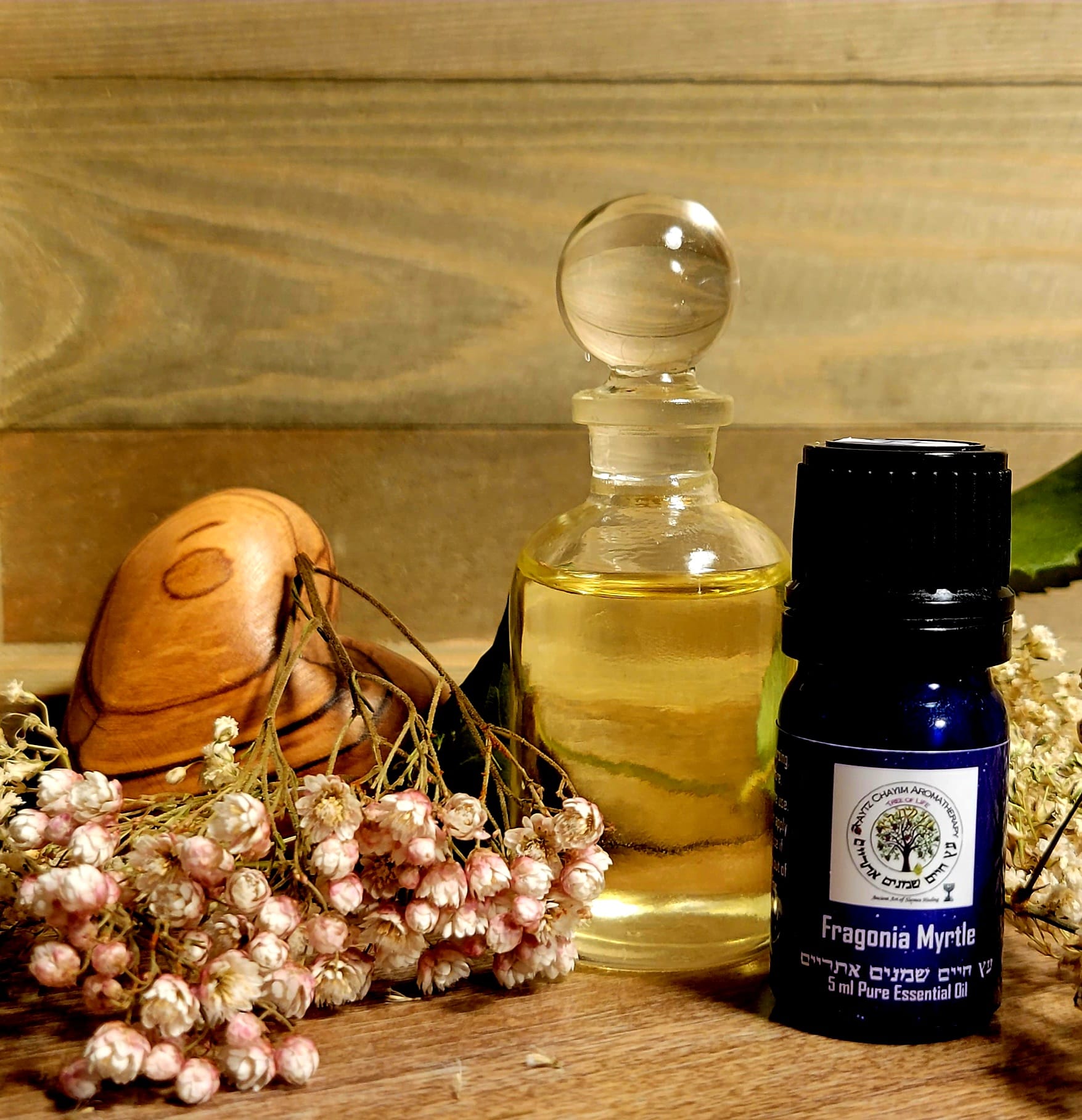
Fragonia Myrtle High-Quality Essential Oil
Agonis fragrans
5ml
Western Australia
Artisan Steam Distilled from Organically Grown and Harvested Flowers, Twig, Leaves, and Stems This essence is also referred to, botanically, as Taxandria fragrans
Fresh camphoraceous, cineolic, slightly sweet green, citrus, and tea tree-like aroma with light spicy, bright fruity citrus floral notes and with sweet woody, balsamic notes in the dry down. Fragonia is in the same plant family (Myrtaceae) as eucalyptus, tea tree, manuka, cajuput, and niaouli. Fragonia Flower (Agonis fragrans) essential oil from our small production distillation partner in Australia so supply is limited.
Our organically grown Fragonia™ Flower Essential Oil is steam distilled from the Australian bush’s long leaves and twigs of flowering shrubs. Pale yellow to colorless, transparent, and mobile liquid. The golden ratio, as Fragonia as it is sometimes referred to, may explain the deep spiritual aspect of this rare oil from the Myrtle family.
Dr. Daniel Penoel, a French aromatherapist who began working with Fragonia in 2005, has written extensively about its healing effects. It can be useful to address many types of bacterial infections along with potent active antibacterial ingre, Fragonia is said to be helpful with treating fungal issues such as candida and immune skin issues such as eczema. Support of the Central Nervous System, relieves menstrual discomfort, jet lag, and bring hormonal harmony and balance. Emotionally and spiritually, brings balance of clarity from the integration of the heart, mind, and spirit.
Chemistry constituents analysis: 1,8-cineole, alpha pinene, linalool, alpha terpineol, para cymene, and myrtenol. It is an extremely balanced oil, with the oxides 1,8 cineole which gives eucalyptus oil its distinctive aroma.
Its components have shown antimicrobial, and insect-repelling activities. A few human studies have demonstrated the benefits of key constituents to aid in respiratory
Blends well with Basil, Bergamot, Black Pepper, Chamomile, Clary Sage, Clove, Elemi, Etrog Citron, Eucalyptus, Frankincense, Geranium, Grapefruit, Kunzea, Lavender, Lemon, Limetta, Lime, Lemongrass, Manuka, Myrtle, Niaouli, Orange (Sweet), Oregano, Palmarosa, Peppermint, Ravensara, Ravintsara, Rhododendron, Rosalina, Rosemary, Spearmint, Tea Tree, Thyme ct linalool.’
Israel has many varieties of Myrtaceae bushes and trees growing in many places around the country and is beloved by Israelis who add many native and non-native Myrtaceae species varieties to their gardens including Myrtus communis and Agonis fragrans.
Isaiah 41:19 ; Nehemiah 8:15 ; Zechariah 1:8 , Lev 23:40 Hebrew “Hadas”, known in the middle Eastern world by the name as Myrtle. The “Eẓ avot”, twice mentioned in Scripture, refers, according to some rabbinical tradition, to the high myrtle. It is one of the Four Species (Lev. 23:40). The Book of Nehemiah, however, refers to both “Hadas and Eẓ avot”, in connection with the observance of the Feast of Tabernacles kown as in Hebrew Sukkot (Neh. 8:15). In consequence some scholars think that the name eẓ avot applies to a certain tree whose branches are closely braided together (avotim, “compact”) and has flowers that are much like Hadas in aroma and appearence.
“Although no myrtles are now found on the mount (of Olives), except in the gardens, yet they still exist in many of the glens about Jerusalem in many varieties, where we have often seen its leaves and white flowers.
There are many near Bethlehem and about Hebron, especially near Debir Dan, the ancient Debir. It also sheds its fragrance on the sides of Carmel and of Tabor and fringes the clefts of the Leontes in its course through Galilee. We meet with it all through Central Israel.” ~Tristram
See our small batch of Myrtle Hadas here from Rimmon Farm ISRAEL