Description
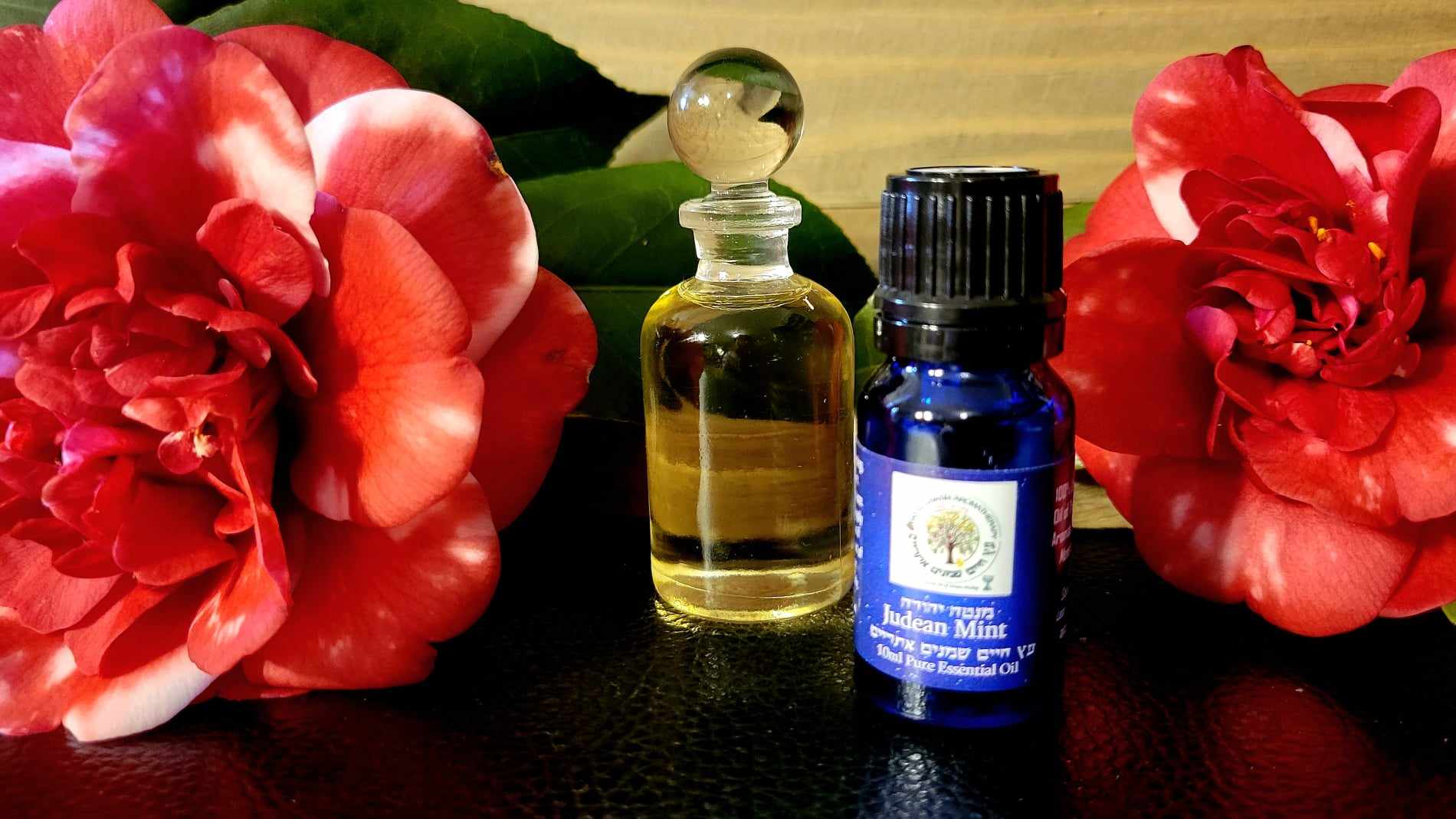
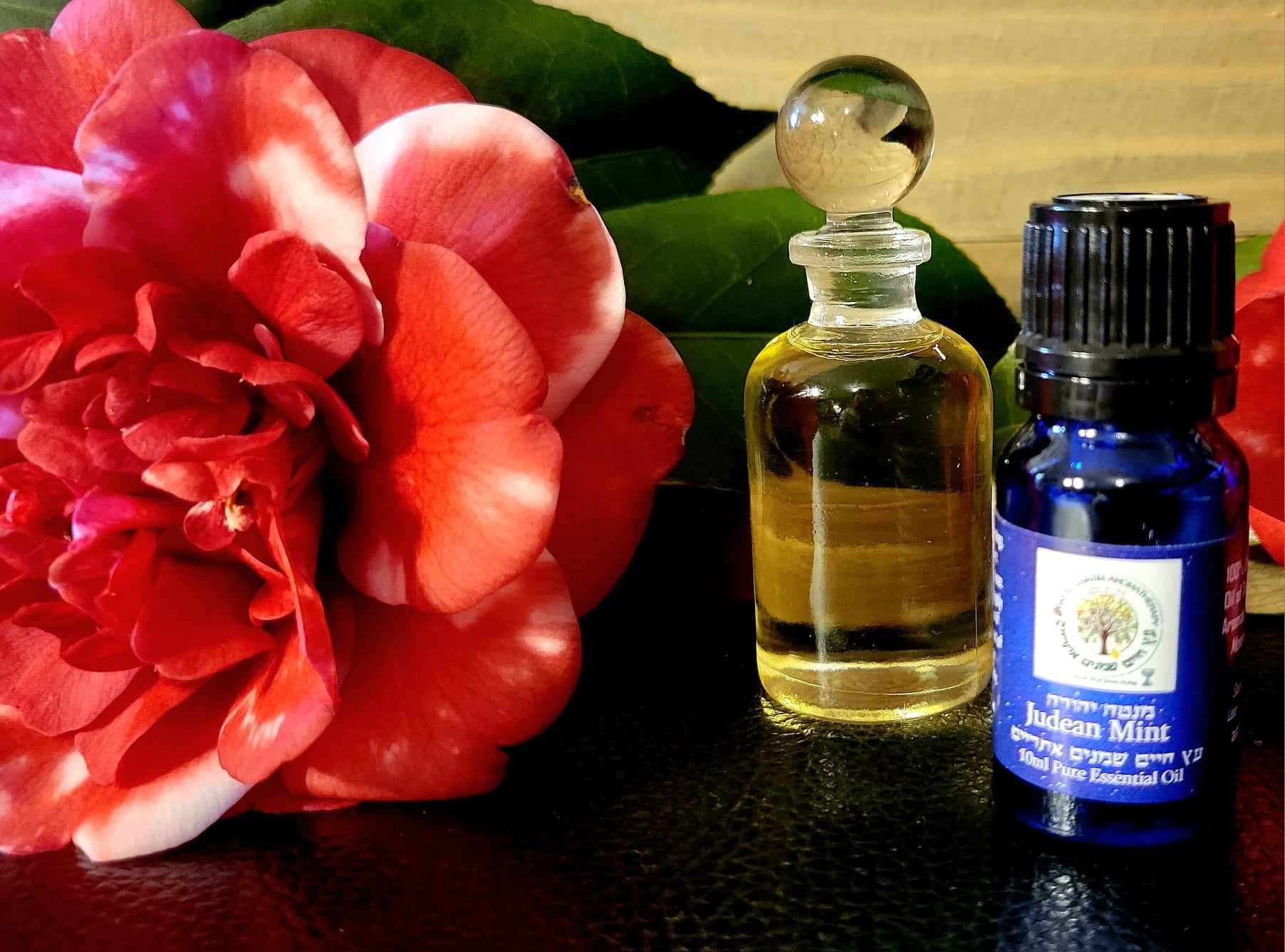
Judean Mint Essential Oil
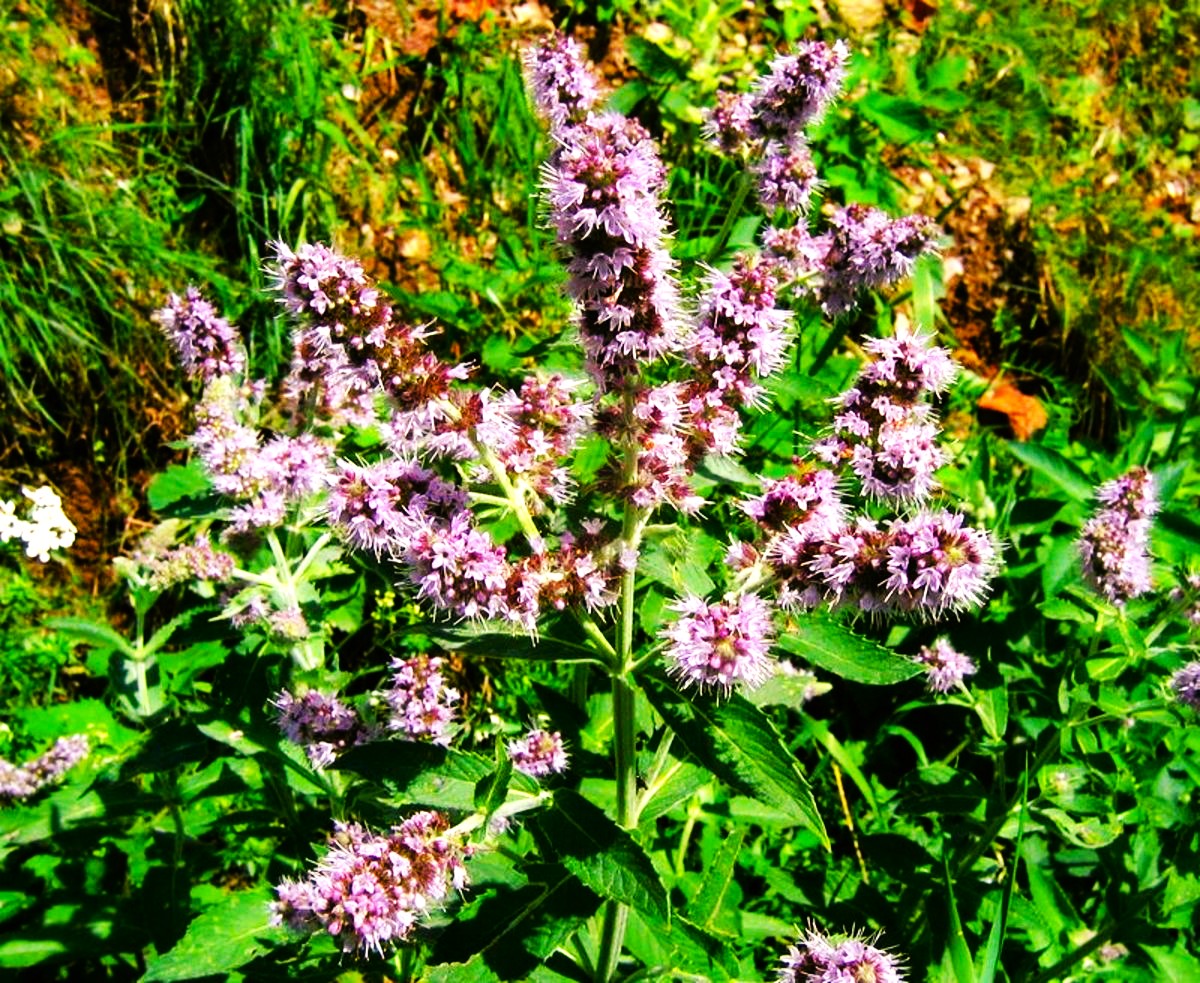
Mentha longifolia
10ml
From Flower, Stems and Leaves
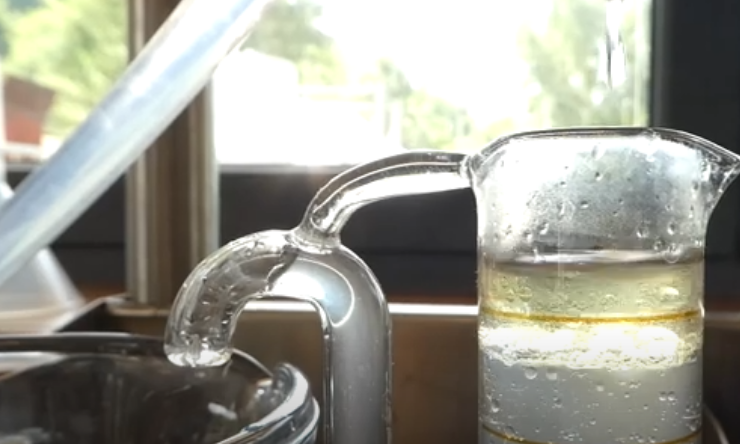
Artisan Distilled
Israel
Rare Biblical Species
Extremely Strong Minty with a Herbeious Green Note
This Biblical Mint was brought back to Israel from England in the early turn of 20th Century during the “British Mandate Palenstine” era, The replanting of this species of Mint was to help restablish the Judean Mint plant once again that grew in the days of the HolyTemple. It was in those days it was used as currency. In modern era it used for tea known as Nana. Cultivated by one Jewish family from 1898 to present. Since then this mint grows wild all over Israel.
Today from a single sprout of a wild plant growing in a hidden channel of an arid desert of the Israel and Jordon border severalJewish and Arab Israeli farmers have succeeded in establishing a modern and more sustainable agriculture of this Biblical Mint which highly benefits the environment and offers great medicinal benefits to us as well.
Rabbi say that variety of Mint, Hyssop, and Oregano was often gathered in bunches and used as a brush or sprinkler for Jewish water purification rituals. Mint (Mentha longifolia) or horsemint or known as Habak Mint, Horse Mint, Judean Mint is thought by many Jewish scholars to be the mint plant referenced in the Bible.
Dried, powdered mint leaves apparently were assiduously tithed by the Priests. This “bitter herb” was eaten at the Passover (Exod 12:8; Num 9:11). It still is eaten at Passover Seder feasts today and can be found often in Israel as a paste on the seder plate. It grows taller than the usual mint grown in Europe and the USA—often, in fact, three ft. high.
The synagogues in Israel 2000 years ago often at Shavuot had sprigs of this mint sprinkled on the floor, so that the fragrance arose when they were walked on it. Shaw mentions this in Plants in the Missouri Botanical Garden (1884). Some sephardic synagogues still do this today in Israel.
Mint represented wealth and abundance. Malachi 3:10 Bring the full tithe into the storehouse, that there may be food in my house. And thereby put me to the test, says the L-rd of hosts, if I will not open the windows of heaven for you and pour down for you a blessing until there is no more need. It was custom for Israelites would hang mint to fragrance their homes along with lavender nard.
In Israel today it is used as traditional medicine also attributes to this plant additional virtues such as antiseptic, stomach pain relief, breathing difficulties, cough, nausea and more.
See our Jerusalem CornMint From Israel