Description
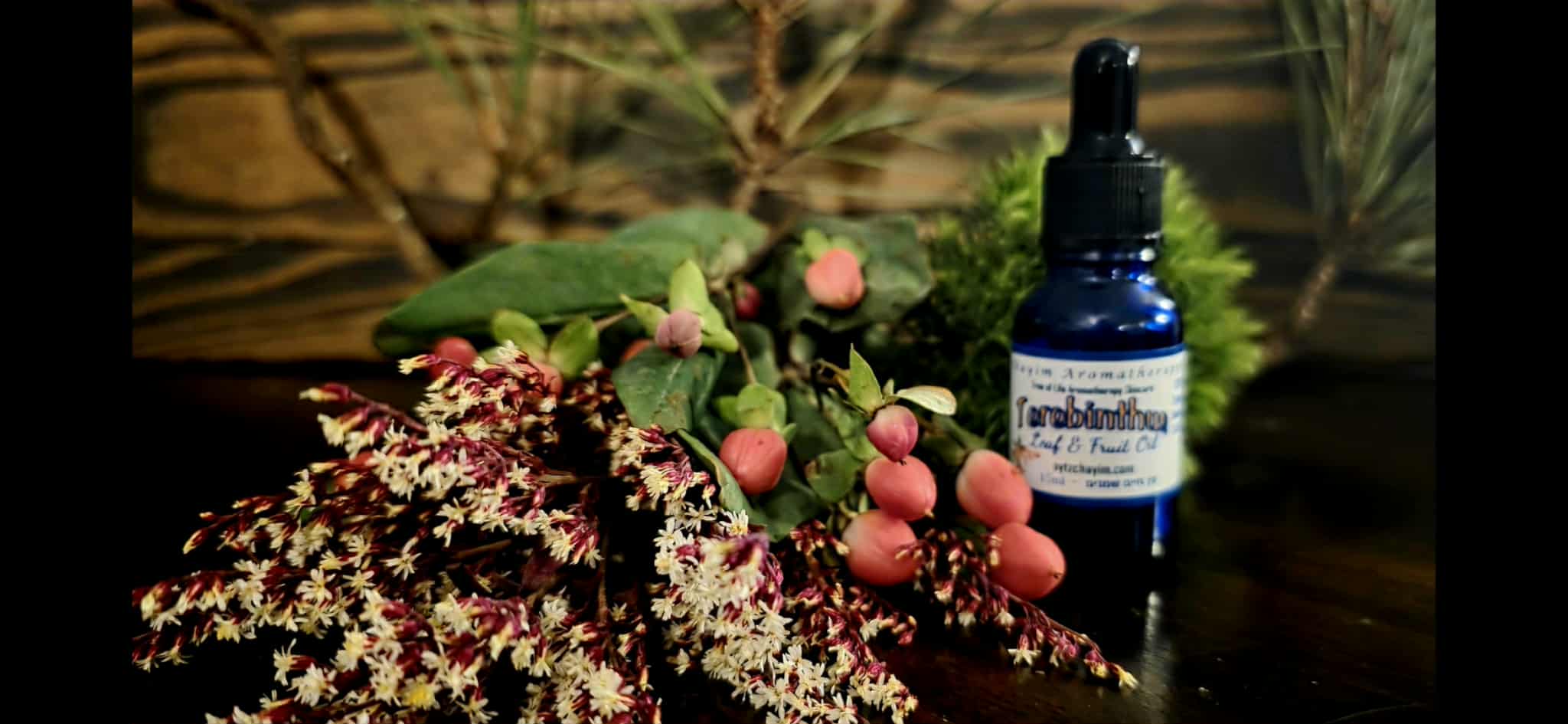
Terebinthus High Quality Seed and Fruit Oil
Elah Oren אלה אורן
15ml- Pistacia Terebinthus
Extraction Method: Carefully extracted through cold pressing of the Seeds, Leaf and Fruit. This gentle method ensures the oil retains its potent properties. First we cold-press the seed to give the base oil then gently cold-press the fruit and combine the seed and fruit oils together and then steep the leaves in that oil for 7 days. We get a whole plant spectrum carrier oil.
The terebinth tree (Pistacia terebinthus) stands as a testament to nature’s enduring power. Known by various names such as Coastal pine tree, terebinth, and Cyprus turpentine, this ancient tree has been cherished for its versatility for generations. From flavoring culinary delights like bread and crafting unique beverages, the terebinth tree offers an array of uses. Its fruits have long been incorporated into Mediterranean traditions; they’re even used in making a fruit-based coffeewhen the fruit is dried!
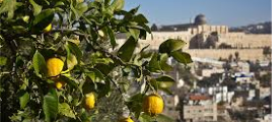
Originating in the Mediterranean region and also found in parts of western Asia, the terebinth tree thrives in sun-drenched environments. Picture the warm, golden light of the Mediterranean caressing its bark, and the rich, earthy scent of its resin filling the air. This tree’s strength and resilience are mirrored in the potent carrier oil it yields, offering a host of benefits for your skin.
Anatomy of Excellence: Understanding Pistacia Terebinthus. The Modern Hebrew word for the pine, Oren, is mentioned only once in the Bible, in Isaiah 44:14 (He planted ארן ‘oren. The Septuagint renders it, Πίτυν Pitun, which means Pine, while other trees like cedar (Erez), cypress (Berosh), oak (Alon) ore frequently mentioned. However, Terebinth (Elah Oren) is mentioned only once in the Scriptures. It has been passed down from one generation to another that Oren refers to this pine tree in the original Hebrew language.
It represents strength and wisdom, attributes embodied by leaders and visionaries like Abraham, Joshua, and Deborah in biblical narratives.The tree’s presence often marks divine appointments and guidance, as seen in Abraham’s encounter with angels beneath the oaks of Mamre. The terebinth serves as a symbol of God’s presence and guidance, providing a sacred space for holy convocations and worship.
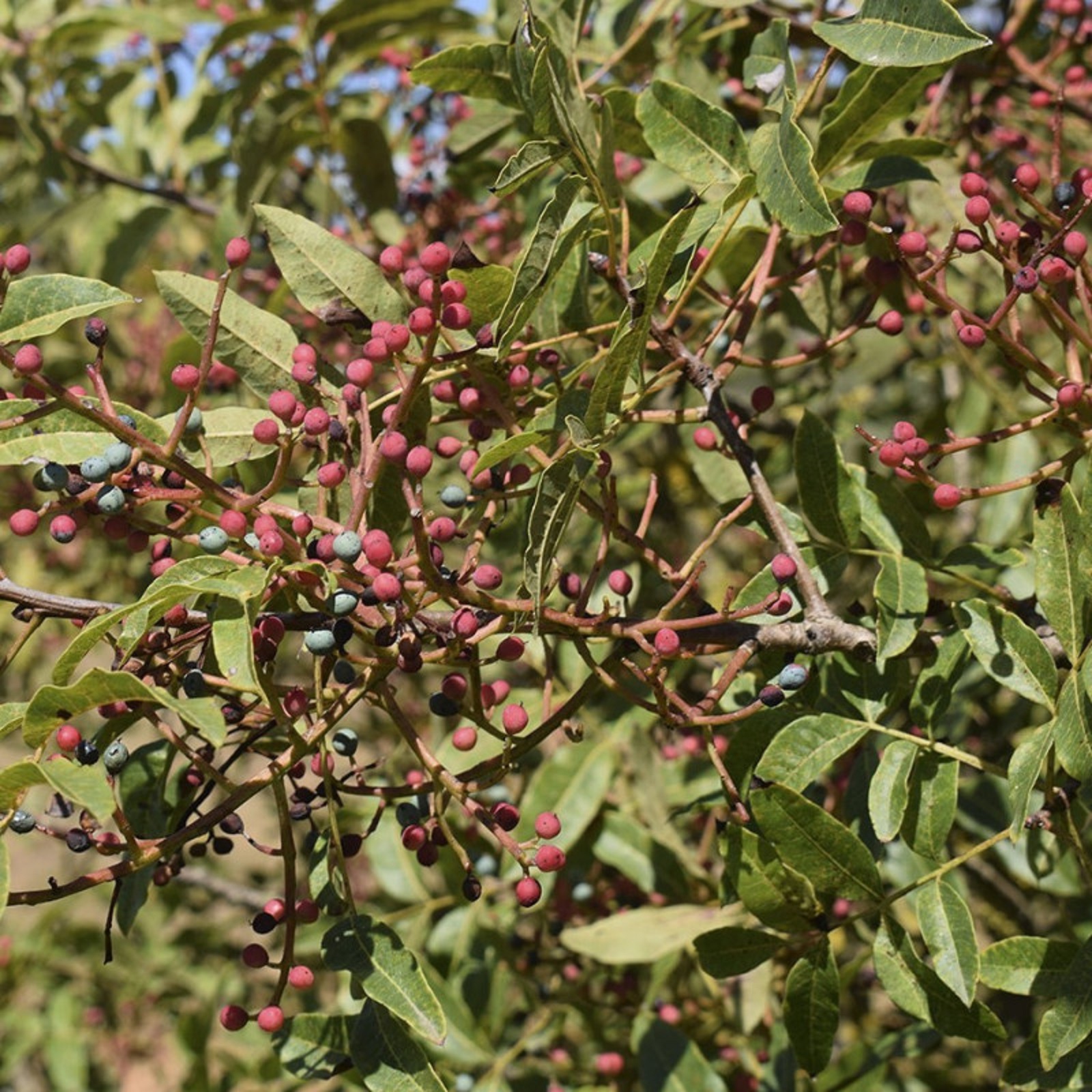
The terebinth tree itself is a sight to behold – a small, deciduous flowering tree or shrub, showcasing glossy leaves and vibrant red-purple flowers. As the seasons change, the fruit transforms, maturing from a vibrant red to a deep, rich black. The gentle aroma of the resin is a sensory delight, whispering of the benefits held within.
The Secret Within: Key Components and Benefits of Pistacia Terebinthus Oil
What gives Pistacia terebinthus oil its remarkable properties? The key lies in its rich composition of beneficial ingredients.
This oil is packed with skin-loving components, including:
- Oleic Acid: Known for its moisturizing and conditioning properties, it helps to maintain skin’s suppleness, leaving it feeling soft and revitalized. The fruit of this oil will stain much like Sea Buckthorn oil will
- Palmitic Acid: Adds a protective layer, helping to shield skin from environmental stressors, allowing your natural radiance to shine through.
- Linoleic Acid: An essential fatty acid that supports skin health and helps to maintain a healthy barrier function, promoting a balanced complexion.
- Vitamin E: A potent antioxidant that helps to protect the skin from free radicals, helping to keep your skin looking youthful and vibrant.
Considering its composition, it’s no surprise that this oil is used for numerous beneficial applications! This naturally occurring blend of components works synergistically to deliver incredible benefits, including: