

Description
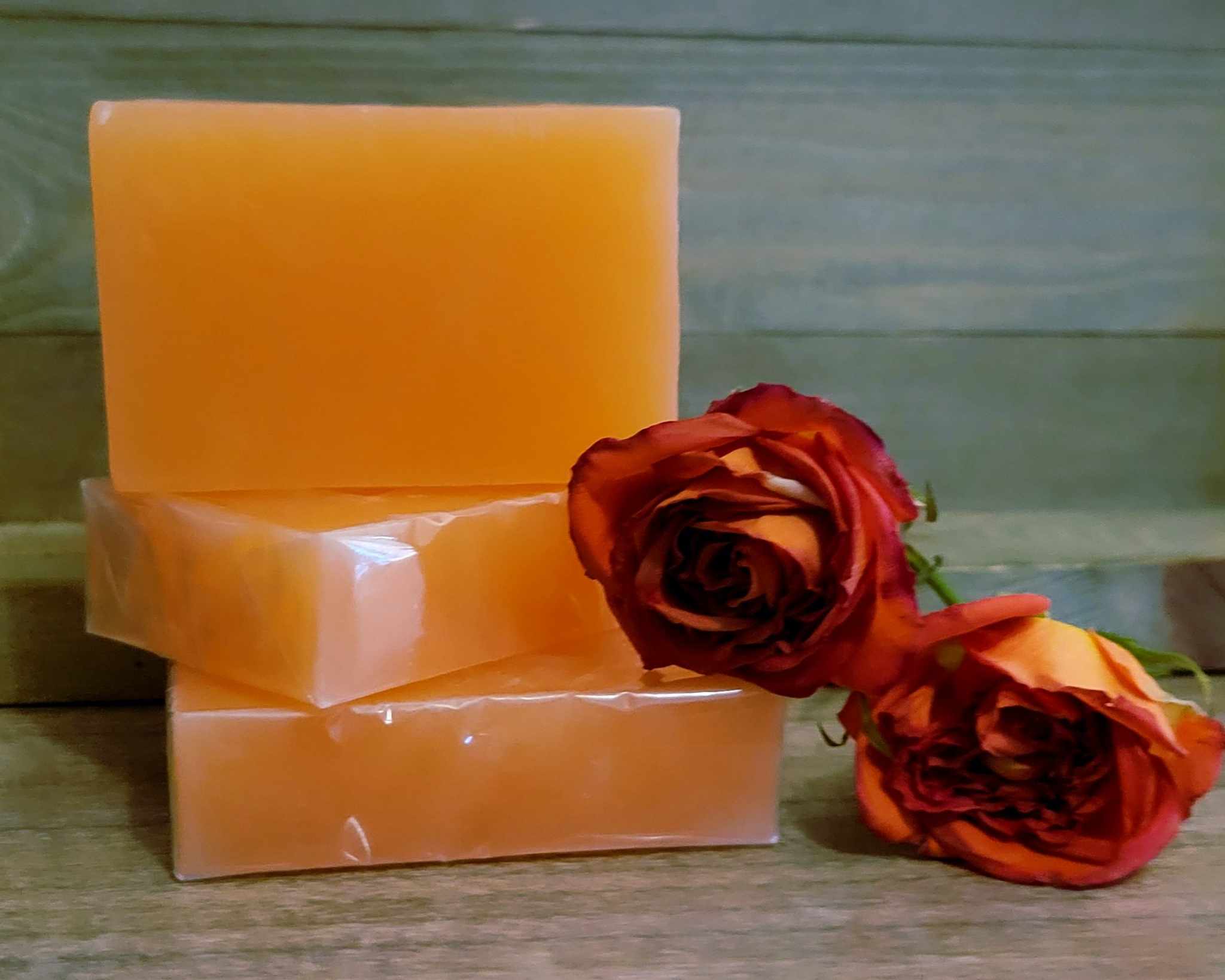
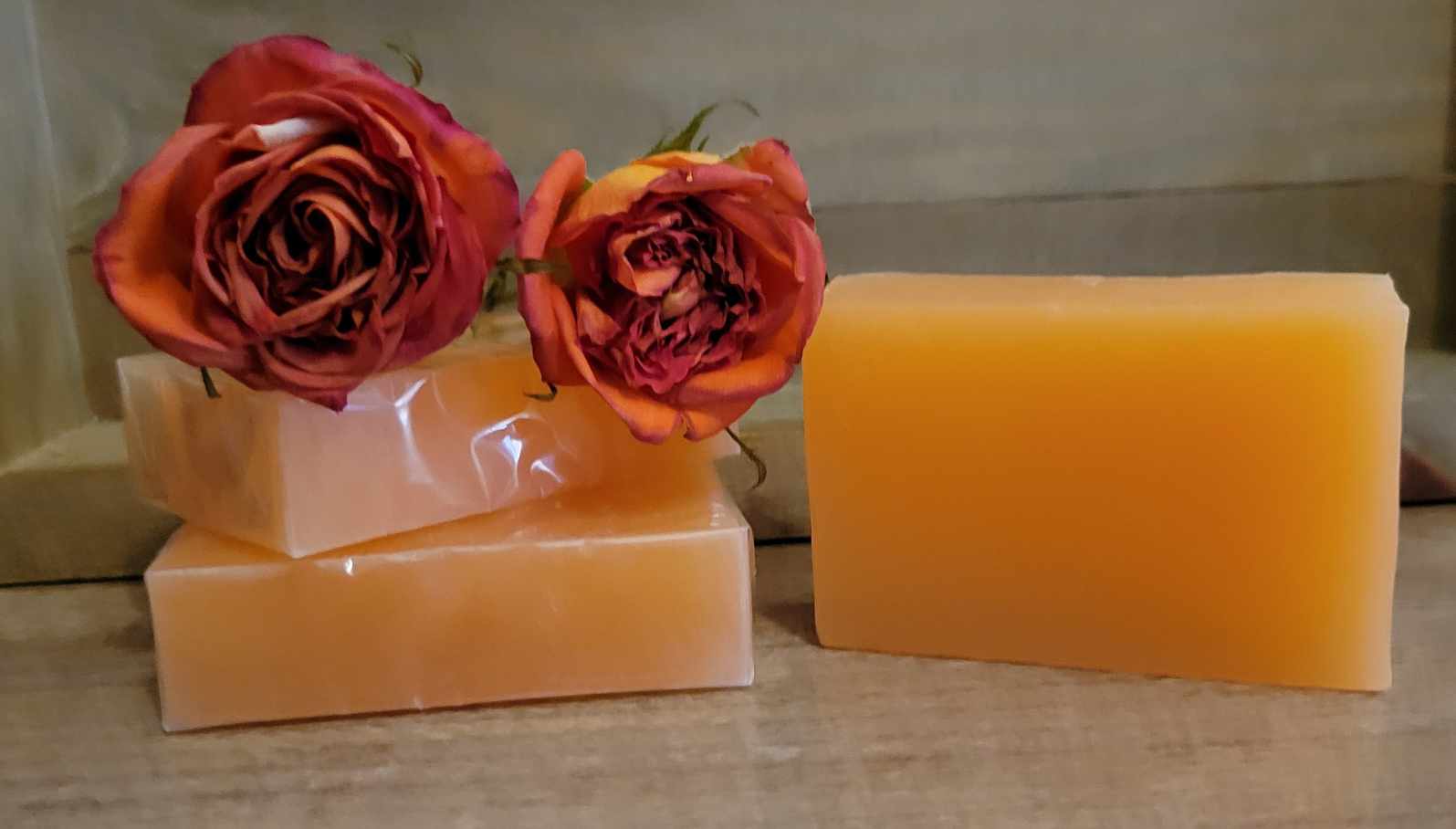
Batsheva’s Peach Osmanthus
Wash Her with Care Soap
3.5 oz
Cleansing Bar for the Ladies’ Down There Body Part
MADE IN ISRAEL
A Balanced Formula that contains probiotics and natural ingredients to balance the down there environment and promote healthy pH levels. Gentle Cleansing: Soft, durable bars create a fast-acting foam to gently cleanse the delicate area down there.
A gentle soap for cleansing use after trauma, after childbirth, post-surgery, and before going to a mikva, which is a Biblical ritual purification bath.
Has Nourishing Ingredients of coconut oil, olive oil, and rose flower extract provide moisture and balance to the skin, peach extract, osmanthus powder extract, and organic glycerine to soothe and to help prevent dryness. Free of Harmful Ingredients and is formulated without parabens, sulfates, alcohol, and other harsh chemicals. Safe for all skin types. Suitable for sensitive skin and promotes healthy flora down there.
A proprietary formula so ingredients will not be listed on the Label.
Read for context, purpose, and why the name of this soap bar was chosen.
Bible Texts to Ponder
Batsheva’s bath wasn’t just taking a bath; it was a ritual bath called a mikva. It was the ceremonial washing ritual that is still observed by Jewish women today! Batsheva was living according to the law of the Torah/ Bible, which required her to immerse herself monthly after her menstrual cycle, which is a state of uncleanness during that time, and once it had ended, and she washed and immersed herself, she could return to a state of spiritual readiness to create life and have relations with her husband.
“And it came to pass in an eveningtide (it was dark of night), that David arose from off his bed, and walked upon the roof of the king’s house: and from the roof he saw a woman washing herself; and the woman was very beautiful to look upon” (2 Samuel 11:2)
Let’s bust the myth that it is incredibly unlikely that Batsheva would have participated in this washing ritual somewhere as public as on a rooftop! Nowhere in this verse does it say she was on a roof. David should not have been on the rooftop looking down into people’s private spaces. Batsheva’s washing was a faithful and personal act of devotion to G-d and His Commandments. How, you might ask?
Well, let’s be clear about this first: she was not a seductress in this situation, and there is no evidence she strategically positioned herself on a roof or anywhere else, for that matter, for the sole purpose of catching King David’s eye. As a point and fact, David was the one on the roof looking down on the people and into their homes and maybe even at the Mikva house itself, picking out who was going in and out of the mikvah house to take. It was a premeditated intention on his part.
According to the laws of the Kings of ancient times, Batsheva could not have resisted if she wanted to, for a woman in these times was completely subject to her King’s will. If he desired her, he could have her even without her husband’s consent. So, consequently, her part in the story is solely the fault of King David.
“And David sent messengers, and took her; and she came in to him, and he laied with her; for she was purified from her uncleanness: and she returned to her house.” (2 Samuel 11:4)
If one is to truly honor the laws of modesty, one cannot do it without honoring the agency of one’s partner, or would-be partner. It is a must to respect a person’s body and their wishes, while simultaneously respecting the laws of G-d. When David took (לָקַח) Batsheva, the word לָקַח was used in the Biblical passage; it was clear his actions were selfish and capitalized on his position of power.
The Hebrew word לָקַח means to take, get, capture, lay hold of, seize, grab, acquire, buy, bring, marry, take a wife, snatch, take away. So was it a selfish motive? Yes, it certainly was.
She was even exonerated by the Prophet, although Nathan, the prophet at the time, who loudly condemned King David for his actions, did not do the same to Bathsheba. In fact, the prophet compared her to a “little ewe lamb” that was stolen from her poor master and slaughtered. This prophet chose an image that would have evoked more innocence than that of just a lamb. Batsheva was not at fault, and we need to correct the idea and myth that she was an adultress.
We see in later verses the real repentance in David’s oath to Batsheva that their son Solomon would be King. We see in verses that King David credits G-d as having “redeemed his soul out of all distress,” which I think is a dual acknowledgement of G-d’s goodness toward this very fallen man, and an acknowledgement of the pain he had caused Batsheva.
By reiterating that the throne would belong to Solomon, David was guaranteeing Batsheva’s future security and sovereignty. King David was giving Batsheva the position as the Queen Mother, the single most powerful influential position a woman could hold in ancient Israel.